Types of Parrots: The Complete Parrot Species Guide
Types of Parrots: The Complete Parrot Species Guide
Parrots come in nearly every colour you can imagine, from pocket-sized parrotlets to macaws with a wingspan longer than your arm. With almost 400 recognised species, working out which “type” of parrot you are looking at, or which one might suit your home, can feel overwhelming.
This guide breaks parrots down in three simple ways: by size, by colour and by breed. Whether you are choosing your first pet bird, trying to identify one you spotted in the park, or just curious about these clever, noisy, brilliant animals, you will find a clear answer here.
Parrot Species, Breeds and Varieties: What Is the Difference?
These words get used interchangeably online, but they mean slightly different things.
A species is a distinct type of parrot recognised by science, such as the Blue-and-Gold Macaw or the Sulphur-crested Cockatoo. A subspecies is a regional variation within a species that has developed small physical differences, often due to geography. Several macaw and Amazon species have recognised subspecies spread across different parts of South America.
Breed is technically a term for domesticated animals with a controlled lineage, like dog breeds. Parrots are not domesticated in that same way, so “parrot breeds” is really shorthand for species and colour mutations, even though the phrase is common in everyday use.
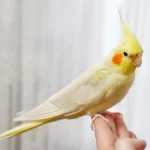
A variety or colour mutation happens when selective breeding brings out a colour that would be rare or absent in the wild, such as a lutino, meaning yellow, cockatiel or a blue budgerigar. These are still the same species underneath, just a different colour form.
What Is a Parrot?
A parrot is a bird belonging to the order Psittaciformes. This group includes budgies, macaws, cockatoos, lovebirds and hundreds of other species. Parrots share a few defining features: a strong curved beak, feet with two toes pointing forward and two pointing backward (called zygodactyl feet), and, in most species, the ability to mimic sounds.
Scientists split parrots into three main superfamilies:
- Psittacoidea, the “true parrots”, which includes macaws, amazons, African greys, conures and budgerigars
- Cacatuoidea, the cockatoos, known for their crests
- Strigopoidea, a small group of New Zealand parrots such as the kea and kākāpō
Almost every parrot kept as a pet in the UK falls into that first group, the true parrots.
How Many Types of Parrots Are There?
There are close to 400 known parrot species worldwide. Only a small fraction of these are commonly kept as pets. The rest live wild across Central and South America, Africa, Australia, Asia and various islands in the Pacific.
New Zealand actually has its own unique parrots found nowhere else on Earth, including the flightless kākāpō, one of the rarest birds alive. Meanwhile, the UK has its own small population of wild parrots too, which we cover further down.
Types of Parrots by Size
Size is one of the fastest ways to sort parrot species, and it tells you a lot about noise levels, space needs and lifespan before you even look at a specific breed.
Small Parrot Species
Small parrots are the most popular starting point for new owners. This group includes budgerigars, cockatiels, lovebirds, parrotlets and small parakeets. They typically measure under 30cm from head to tail.
Budgerigars are the most widely kept bird in the world, and for good reason. They are affordable, sociable in pairs, and take up little space. Cockatiels are close behind in popularity, known for their gentle whistling and easy going nature. Lovebirds are tiny but feisty, often bonding intensely with a single person or their mate.
Small parrot species generally live 10 to 20 years, which is still a serious commitment but far shorter than the large breeds.
Medium Parrot Species
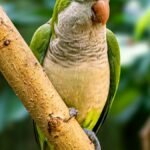
Conures, Quaker parrots (monk parakeets), Senegal parrots and ring-necked parakeets sit in the medium category. These birds are louder and more demanding than the small species but do not need the space or budget of a full sized macaw.
Conures in particular are known for big personalities packed into a smaller body. They are playful, curious, and will happily spend hours out of the cage interacting with their owner. Ring-necked parakeets are also the species most people in the UK will spot flying wild, especially around London parks.
Large Parrot Species
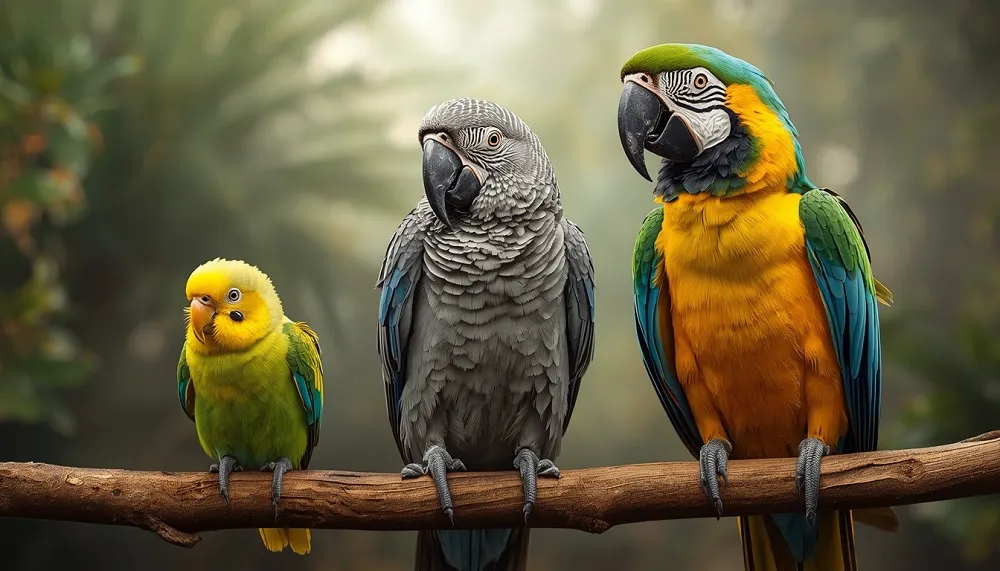
African greys, amazons, most cockatoos, and macaws make up the large parrot category. These birds can measure 40 to 100cm and often live 40 to 60 years, sometimes longer.
Owning a large parrot species is closer to raising a child that never fully grows up. They need daily interaction, a big cage or dedicated bird room, a varied diet, and mental stimulation to prevent boredom related problems like feather plucking. If you are drawn to macaws specifically, our complete Macaw Parrot Guide covers species, origin and daily care in far more depth, and our Macaw Parrot Price guide breaks down what ownership actually costs.
Parrot Types at a Glance
Here is a quick reference table comparing the main size groups, since it is the fastest way to compare noise, space and lifespan before reading the fuller sections below.
| Size Group | Example Species | Typical Lifespan | Noise Level | Beginner Friendly |
|---|---|---|---|---|
| Small | Budgerigar, Cockatiel, Lovebird | 10 to 20 years | Low to moderate | Yes |
| Medium | Conure, Senegal Parrot, Quaker Parrot | 20 to 30 years | Moderate to high | Sometimes |
| Large | African Grey, Amazon, Cockatoo | 40 to 60 years | High | Experienced owners |
| Extra Large | Macaw | 50 to 80 years | Very high | Experienced owners |
Types of Parrots by Colour
Colour is often the first thing that draws someone to a species, so it is worth knowing which parrot types tend to come in which shades.
Green Parrots
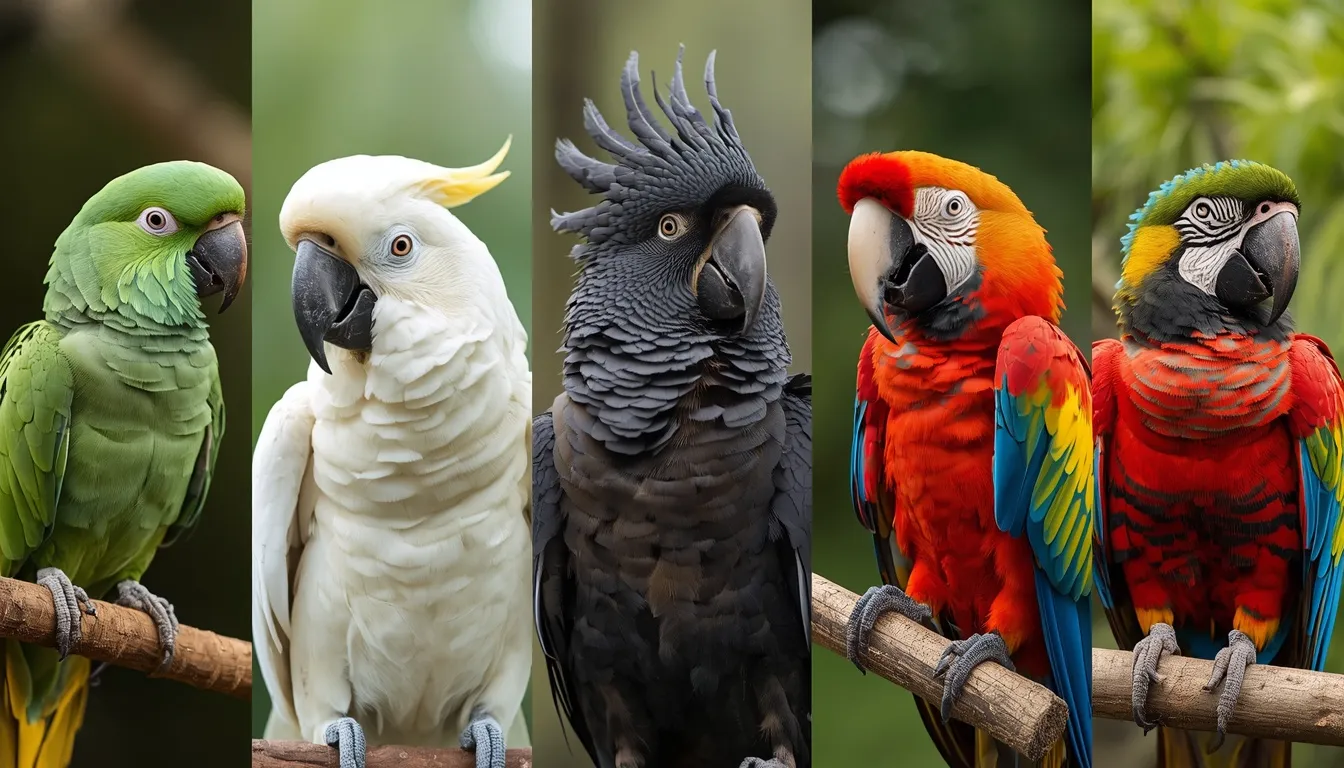
Green is the most common parrot colour in nature, and for a simple reason: it helps birds hide among leaves. Amazon parrots, ring-necked parakeets, and most conure species are predominantly green. This natural camouflage explains why so many wild parrot species share the same base colour despite living on different continents.
White Parrots
White parrots are almost always cockatoos. The Umbrella Cockatoo and Moluccan Cockatoo are the best known white species, instantly recognisable by their large crests. White cockatoos are highly social and are sometimes called “velcro birds” because of how closely they bond with their owners, often wanting to be within arm’s reach at all times.
Black Parrots
True black parrots are rare. The closest example is the Palm Cockatoo, a large Australian species with dark grey to black feathers and a striking red cheek patch. Some Vasa parrots from Madagascar also show very dark plumage. Because genuinely black feathering is uncommon in the parrot family, these species tend to fetch a lot of attention from bird enthusiasts.
Yellow Parrots
Yellow appears across several species, sometimes as the whole body colour and sometimes as an accent. Sulphur-crested Cockatoos have a bright yellow crest against white feathers. Sun Conures are almost entirely yellow and orange. Certain colour mutations of budgerigars and cockatiels are also bred to be fully yellow, known as lutino mutations.
Rainbow and Multicoloured Parrots
When people search for “rainbow parrots,” they are usually picturing macaws. Scarlet Macaws and Blue-and-Gold Macaws display several bold colours across a single bird, which is exactly why macaws are the species most associated with tropical, multicoloured birds in popular culture. Eclectus parrots also show dramatic colour differences, with males a vivid green and females a deep red and purple.
Popular Pet Parrot Breeds Explained
Beyond size and colour, most people asking about parrot types really want to know which specific breeds make good pets. Here are the ones you are most likely to come across.
African Grey Parrots
Regarded as one of the most intelligent bird species on the planet, African Greys can learn hundreds of words and use them in context, not just repeat sounds. They need constant mental engagement and can become anxious or start plucking feathers if left understimulated. They are best suited to experienced owners who can commit real time each day.
Macaws
Macaws are the largest commonly kept parrot species and among the most colourful. They need significant space, a strong budget for food and vet care, and an owner prepared for decades of commitment, since many macaws outlive their owners.
Amazon Parrots
Amazon parrots are stocky, mostly green birds known for confident personalities and strong vocal ability. They can be excellent talkers and enjoy singing, though they are also known for being a little stubborn once they reach maturity.
Cockatoos
Cockatoos are the most openly affectionate parrot species, often wanting physical contact throughout the day. This makes them wonderful companions for owners with lots of time at home, but genuinely difficult for anyone who works long hours, since cockatoos can develop anxiety when left alone too often.
Conures
Conures pack a big personality into a mid sized body. They are playful, curious, and generally easier to house than the larger species, though they can be surprisingly loud for their size.
Budgerigars and Lovebirds
These small species are the most beginner friendly parrots available. Budgies are gentle, easy to house even in pairs or small flocks, and can learn to talk with patience. Lovebirds are slightly more independent minded and bond fiercely with their chosen companion, whether that is another bird or their owner.
Eclectus Parrots
Eclectus parrots stand out for how different males and females look from one another, so much so that they were once thought to be two separate species. They are calmer than many large parrots but still need a stable routine and plenty of fresh fruit and vegetables in their diet.
Wild Parrots You Might See in the UK
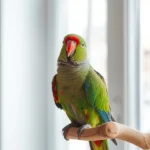
The UK is not exactly known for native parrots, yet ring-necked parakeets have established wild populations, particularly around London and the South East. These bright green birds likely descended from escaped or released pets decades ago and have thrived in the milder pockets of the British climate.
There have also been occasional sightings of Alexandrine parakeets and monk parakeets in the wild, though these populations remain far smaller and less established than the ring-necked parakeet.
How to Choose the Right Type of Parrot for You
With so many parrot species and colour varieties to choose from, narrowing things down comes back to a few honest questions:
- How much noise can your household tolerate? Cockatoos and macaws are loud. Budgies and cockatiels are far quieter.
- How much space do you have? Large species need a dedicated area, not just a cage in the corner.
- How many hours a day can you realistically spend with the bird? Social species like cockatoos and African greys suffer badly with long periods alone.
- What is your budget, both upfront and long term? Large parrot species come with higher food, vet and enclosure costs across a lifespan that can stretch past 50 years.
There is no single “best” parrot type. The right choice depends entirely on matching a species’ natural needs to the life you can actually offer it.
Parrot Species FAQs
How many types of parrots are there in total?
Close to 400 recognised parrot species exist worldwide, split across three superfamilies: true parrots, cockatoos, and New Zealand parrots.
What is the smallest parrot species?
The Buff-faced Pygmy Parrot is considered the smallest, measuring around 8cm long, roughly the size of a large finch.
What is the friendliest type of parrot for a beginner?
Budgerigars and cockatiels are widely considered the best starting species thanks to their smaller size, lower noise levels, and gentle temperament.
Are there wild parrots living in the UK?
Yes. Ring-necked parakeets have established wild populations across parts of London and the South East, with occasional sightings of other parakeet species.
Which parrot species live the longest?
Large species such as macaws and cockatoos can live 50 to 80 years in captivity, making them a lifelong commitment rather than a short-term pet.